
THE GAP THAT COULD UNDO DECADES OF PROGRESS: WHY WE MUST ACT NOW.
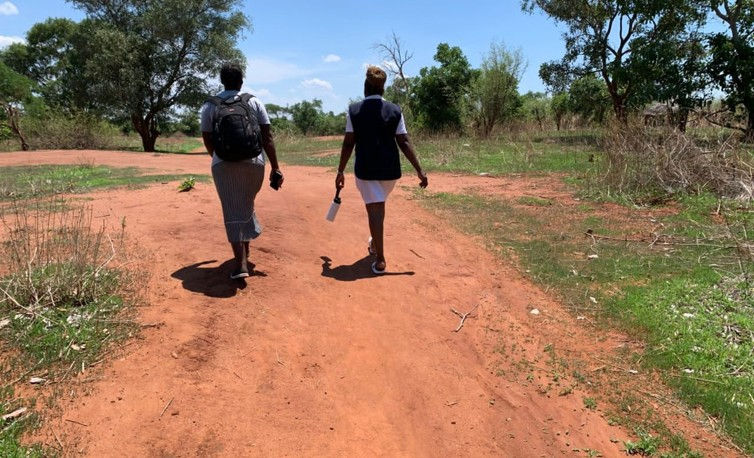
A SUDDEN SILENCE FROM OUR STRONGEST PARTNERS
For decades, Zambia's health sector has leaned on the support of global partners, particularly the United States Government through USAID and PEPFAR. These investments saved lives. They turned an HIV epidemic from a death sentence into a manageable chronic condition. They helped pregnant women access treatment, kept children alive, and gave adolescents a future. But in recent months, the USAID Government has significantly reduced its foreign aid in health. The result is a perfect storm: sudden funding cuts, cancelled programmes, and no assurance that essential services would resume. For a country like Zambia, where health systems have long depended on donor support, this is not a setback. It is an emergency.
WHAT'S AT STAKE IN KAFUE DISTRICT
Kafue is home to approximately 219,000 people (108,939 men and 110,061 women), with fishing, small scale farming mainly the growing of crops and rearing of small livestock as the predominant economic activities. For years, USAID and PEPFAR funding helped sustain HIV testing, treatment, and prevention services in Kafue District. That safety net is now gone.
In the fishing and farming blocks of Chiawa Chiefdom and Magoba Ward, the impact is immediate and visible:
HIV prevention services like condom distribution, PrEP, and outreach have stalled.
Testing for pregnant women during prenatal care has been disrupted.
Early infant diagnosis and paediatric HIV treatment are facing serious interruptions.
The sample transport system—which requires collecting DBS PCR results and viral load samples and transporting them to a central laboratory up to 39 kilometers away— has broken down.
Without urgent intervention, these gaps will reverse the gains we have fought decades to achieve. Children will fall off treatment. Mothers will transmit HIV to their babies. Adolescents will face stigma alone, without support systems to catch them.
WHAT WE ARE DOING: AN EMERGENCY RESPONSE
Primrose Community Health Organization cannot replace USAID or PEPFAR, but we can stand in the gap.
With support from Egmont Trust, we are currently implementing a twelve-month emergency initiative in the hardest-hit communities: Chitende, Kambale, Chiawa, Chisakila, and Magoba Ward. These are rural, underserved areas where health facilities are few, distances are long, and the need is greatest.
OUR ACTION PLAN
Our goal is simple but ambitious: sustain HIV care for 500 adolescents and young people and reach an additional 1,350 indirect beneficiaries, that is, caregivers, family members, and community members who depend on a functioning health system.
To bridge the gaps left by funding withdrawal, we are implementing the following key targeted activities:
Joint coordination with District Health Office of logistical support in collection and transfer of samples for DBS and VL to the designated sites.
Support follow-up visits for defaulters who missed clinic appointment dates, VL sample collection and critically ill recipients of care.
Support enhanced adherence counseling services among recipients of care defaulters (children, adolescents, young people, pregnant and lactating women).
Support facility-based adolescents and caregiver support group meetings to promote good adherence, encourage early disclosure and positive living, and also encourage families to support their children's health

WHY THIS MATTERS
Behind every data point in this project is a person. A mother in Mugurameno who hasn't disclosed her status to her husband and misses clinic appointments because she can't explain where she's going. An adolescent in Chiawa who hides her pills at boarding school, terrified of being bullied. A caregiver in Kambale who lost their clinic card and no longer knows when their child's next appointment is. A family in Mugurameno who skipped a visit because elephants blocked the path to the health facility.
These are not stories of negligence. They are stories of survival and of a system that, without urgent support, will fail the people who need it most.
THE ROAD AHEAD
The withdrawal of US funding has created a gap. But gaps can be bridged. Primrose Community Health Organization is committed to standing with the communities of Kafue, just as we have since 2004.
With the partnership of different stakeholders such as the Egmont Trust, we can protect the gains achieved in HIV programmes, keep children and adolescents on treatment, and ensure that no one is left behind, not because of human animal conflict, not because of stigma, and not because of funding cuts.
The need is urgent. The time to act is now.


Comments